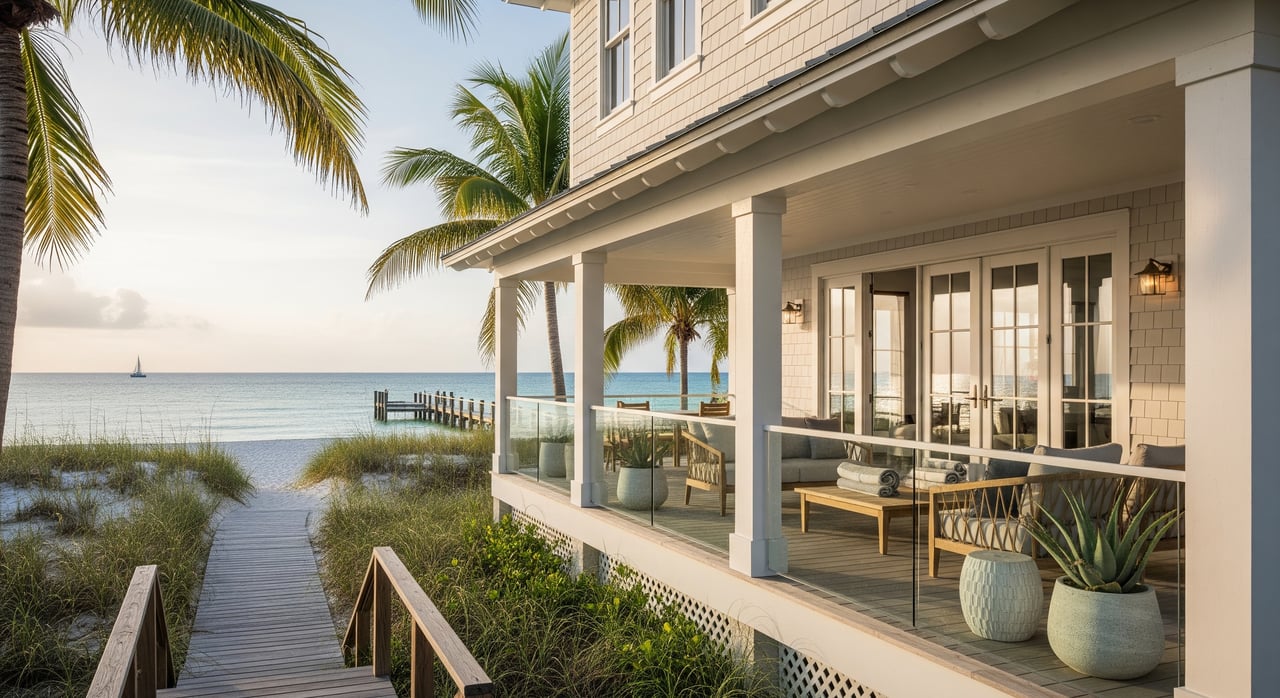
What It’s Like To Own A Vacation Home On Anna Maria Island
February 5, 2026
February 5, 2026
Picture stepping off the plane, crossing the causeway, and feeling the pace of life instantly slow. If you are dreaming about a Gulf Coast retreat that blends walkable beach towns with laid-back charm, Anna Maria Island might be your spot. Still, owning a vacation home on a barrier island comes with specific rules, costs, and rhythms you should understand before you buy. In this guide, you’ll get a clear look at daily life, the neighborhoods, ownership realities, and a practical checklist to help you plan with confidence. Let’s dive in.
Anna Maria Island is a roughly 7-mile barrier island in Manatee County with three municipalities from north to south: the City of Anna Maria, Holmes Beach, and Bradenton Beach. Each city has its own local government, land-use rules, and short-term rental regulations. You get a small-town, coastal-cottage feel with low-rise buildings and a strong emphasis on preserving beach character.
The island’s main north–south corridor is Gulf Drive, with activity hubs along Pine Avenue in the City of Anna Maria and Bridge Street in Bradenton Beach. Expect bridge traffic and occasional congestion during peak season. The result is a relaxed place most of the year that becomes lively when seasonal visitors arrive.
At the north tip, you’ll find a quiet, village-like atmosphere with independent shops and eateries centered on Pine Avenue. Many homes are updated cottages or newer single-family builds designed in a coastal style. Streets are walkable and bike-friendly, and sunsets at the nearby beach are a daily ritual.
In the middle of the island, Holmes Beach offers a mix of property types and convenient access to both Gulf and bayside amenities. You’ll see older bungalows alongside larger, elevated single-family homes. The vibe is residential with pockets of dining and services, which suits owners who want balance between quiet streets and easy access to essentials.
On the south end, Bradenton Beach centers around Bridge Street with waterfront dining, small shops, and a lively pedestrian scene. Condominiums and duplexes appear more often here than in the north. You can enjoy both Gulf-facing and bayside settings, and you’ll notice more activity near popular access points during high season.
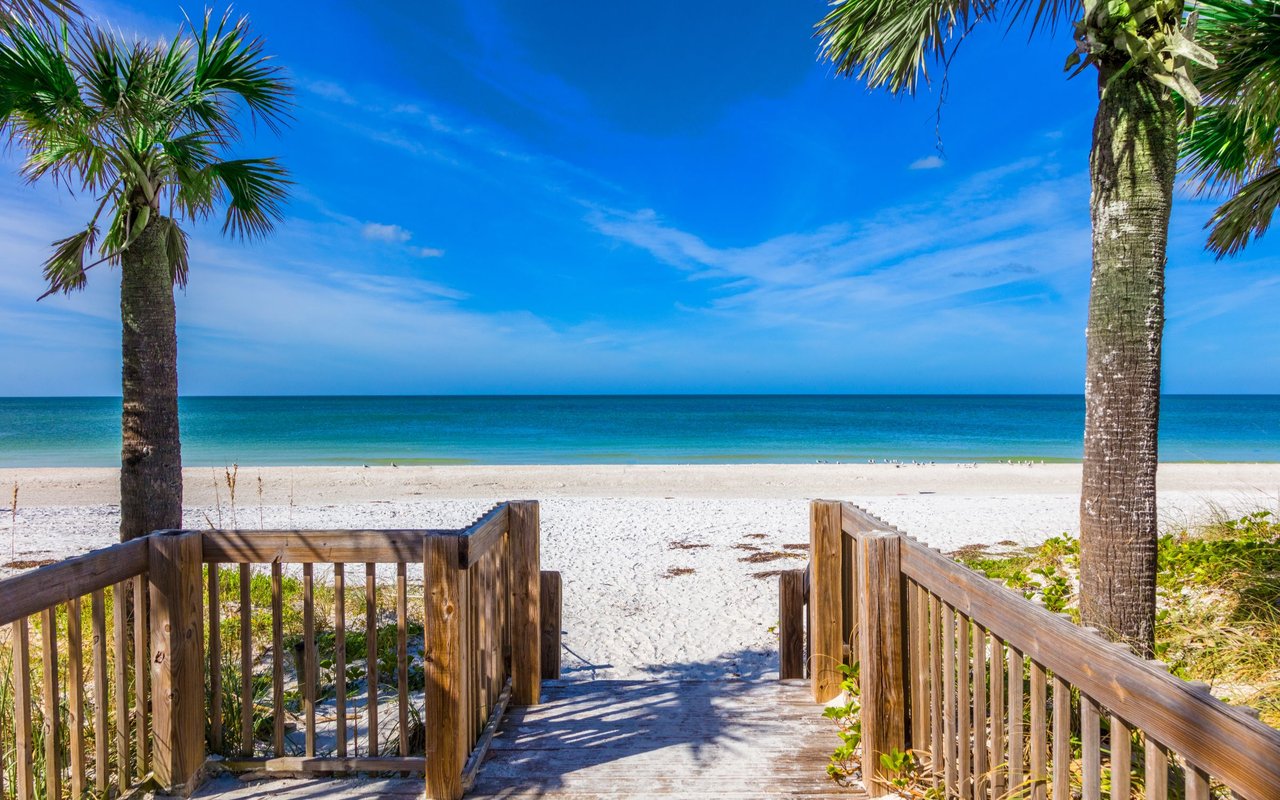
Beaches line the Gulf side with soft white sand and postcard sunsets. Public beach access points are dotted along the coast, though parking can be tight when the island is busy. You can fill days with swimming, paddleboarding, shelling at scenic spots like the north tip, fishing from a pier or charter, and simple evening strolls.
Sea turtle nesting season in spring and summer brings specific lighting and beach-management rules. Hurricane season runs June through November, which calls for a realistic plan for preparation, insurance, and potential downtime.
The island is easy to navigate but moves at a slower pace. Many areas near Gulf Drive are walkable or bikeable, and some neighborhoods allow golf carts for short local trips. Public transit is limited, and seasonal traffic can stack up near the bridges. The closest airport is Sarasota–Bradenton International, with Tampa International offering more flight options farther away.
You’ll find basics on the island such as markets, cafes, and specialty shops. For big-box retail or major medical needs, most owners head to the mainland in Bradenton and Sarasota. Emergency services are local, while primary hospitals and larger clinics are off-island.
You will see several common property types:
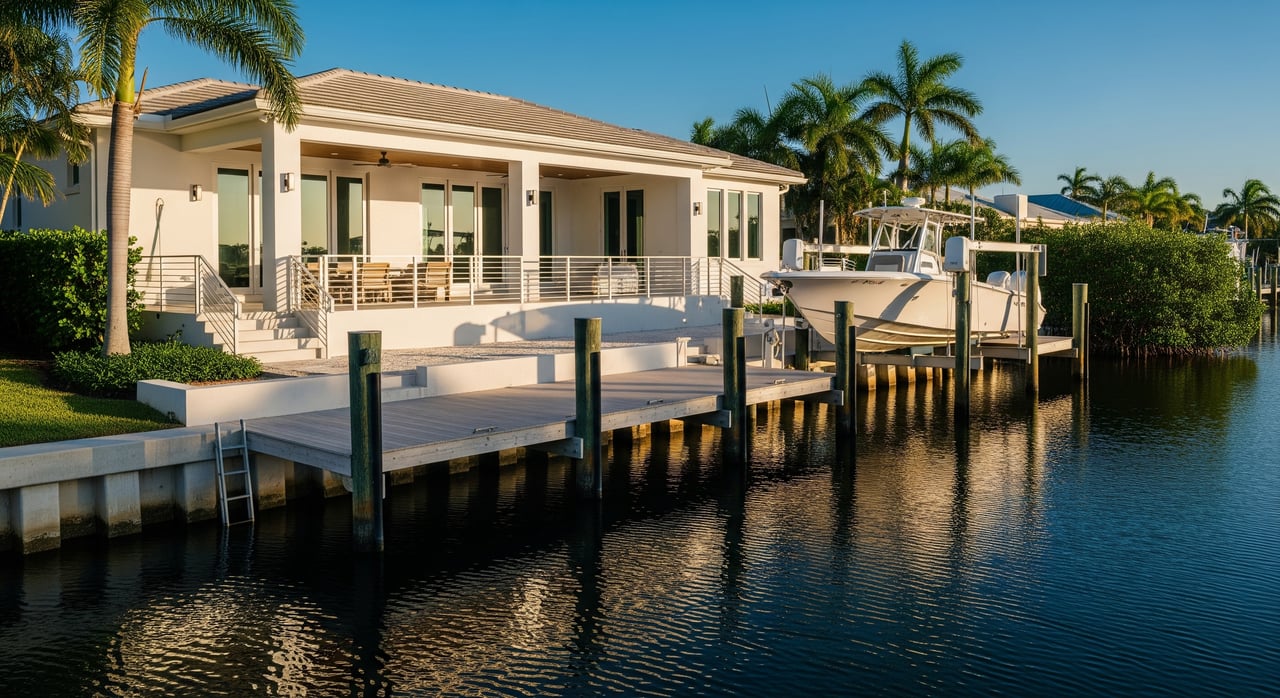
Waterfront properties on the Gulf or along the bayside command a premium for views and boat-friendly access. Inland parcels can offer better value while keeping you close to the beach. Limited land supply and strong demand support long-term appreciation, and the market is seasonal and competitive for turnkey homes, especially on the water.
For budget planning, smaller inland cottages and condos often start in the upper six figures to low seven figures. Mid-range single-family homes are commonly in the mid to high seven figures. Waterfront and luxury homes frequently trade in the multi-million dollar range. Exact numbers shift with location, condition, and market timing, so it pays to confirm current data when you are ready to write an offer.
High seasonal demand in late fall through spring supports strong booking potential for short-term rentals. Summer is warmer and less crowded, but it can still perform with the right pricing and property features. Income varies widely based on location, property type, and management approach.
Each municipality has its own rules for rentals, including registration, minimum-stay requirements, occupancy limits, and licensing. Professional property management is common for absentee owners and can handle bookings, guest communication, cleaning, and hurricane prep. Management fees reduce net income, but they also reduce the day-to-day work on your end.
Barrier-island ownership typically requires a mix of homeowners, wind or hurricane, and flood insurance. Flood coverage is often a separate policy, and premiums can be substantial in higher-risk zones. Florida property taxes are competitive compared with many states, yet overall carrying costs rise with insurance and coastal maintenance. A smart move is to request current policy details from the seller and obtain updated quotes early in your search.
Many properties fall within FEMA flood zones and may require elevation certificates. Sea-level rise and frequent storm events are long-term realities that shape insurance and potential resiliency upgrades. Elevated homes, impact-rated windows, shutters, and secure storage for outdoor items can help you prepare during hurricane season.
Salt air, humidity, and sun exposure accelerate wear. Expect to plan for paint, hardware, HVAC upkeep, and moisture control more often than in inland markets. Many newer or renovated homes are elevated on pilings, and you’ll see mechanical systems on higher levels to reduce risk. Some properties may rely on septic systems, so verify utilities during due diligence.
Parking is limited at popular beaches and in commercial districts, and rules vary by municipality. If you plan to host guests or rent, on-site parking and clear guidance on where to park can prevent complaints and fines.
Peak season stretches roughly from late fall through spring, bringing more traffic, packed restaurants, and a robust event calendar. This is also the prime rental window. Summer shifts to a slower pace with higher temperatures and humidity, and some businesses reduce hours. From June through November, owners follow storm forecasts, finalize prep plans, and stay in touch with insurers and property managers.
Use this list during your search and due diligence:
If you value white-sand beaches, small independent businesses, and a low-rise island feel, Anna Maria Island offers a special kind of everyday life. You trade some conveniences, like quick access to big-box shopping or unlimited parking, for scenic walks, sunsets, and a strong community vibe. With clear plans for insurance, maintenance, and local rules, many owners find the value and lifestyle well worth it.
Ready to explore properties and get answers tailored to your goals? Connect with a local specialist who lives the coastal details every day. Reach out to Janelle Miller to plan your next step.
Stay up to date on the latest real estate trends.
Experience white-glove service, unmatched local knowledge, and proven results for your next real estate transaction.
ADDRESS 1301 6TH AVE W STE 105 BRADENTON FL 34205