Anna Maria Island Condo Amenities: What To Expect
December 4, 2025
December 4, 2025
Picture-perfect pools, sandy walkovers, and sunset balconies look amazing in photos, but the real story of an Anna Maria Island condo is told by its amenities and rules. If you are shopping from out of town, it can be hard to know what is standard, what is special, and what drives your monthly costs. This guide shows you what to expect, what to verify, and how to compare buildings with confidence. Let’s dive in.
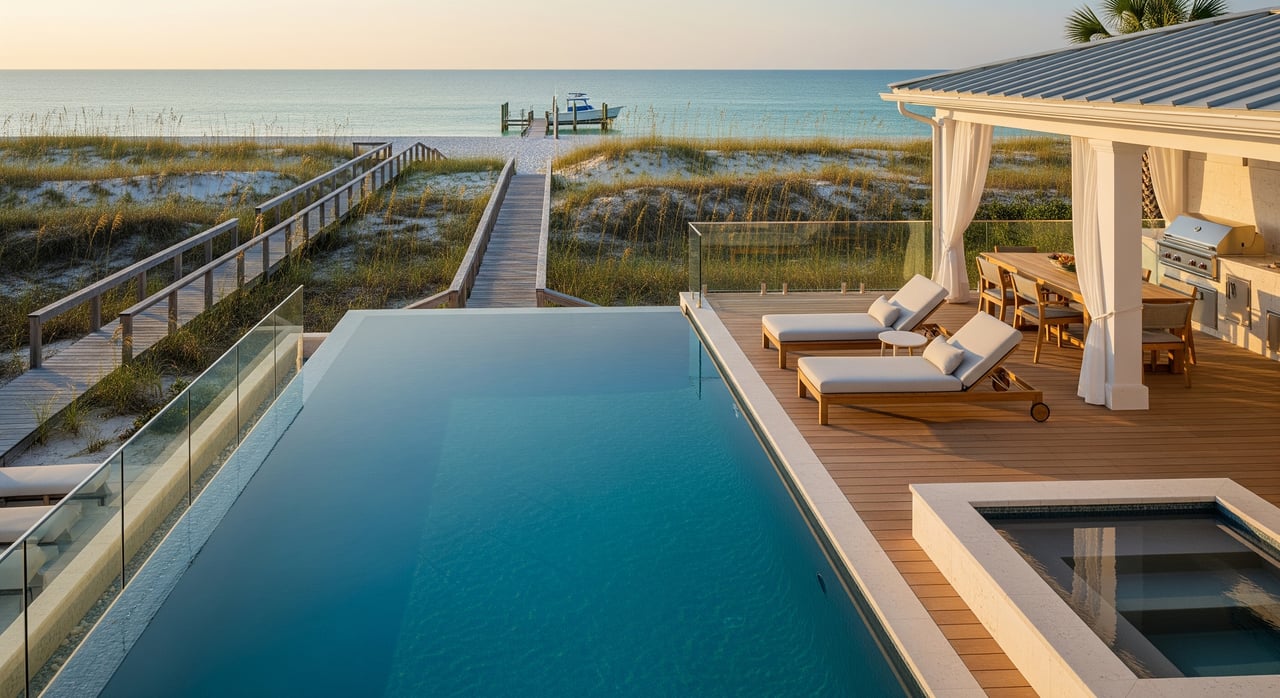
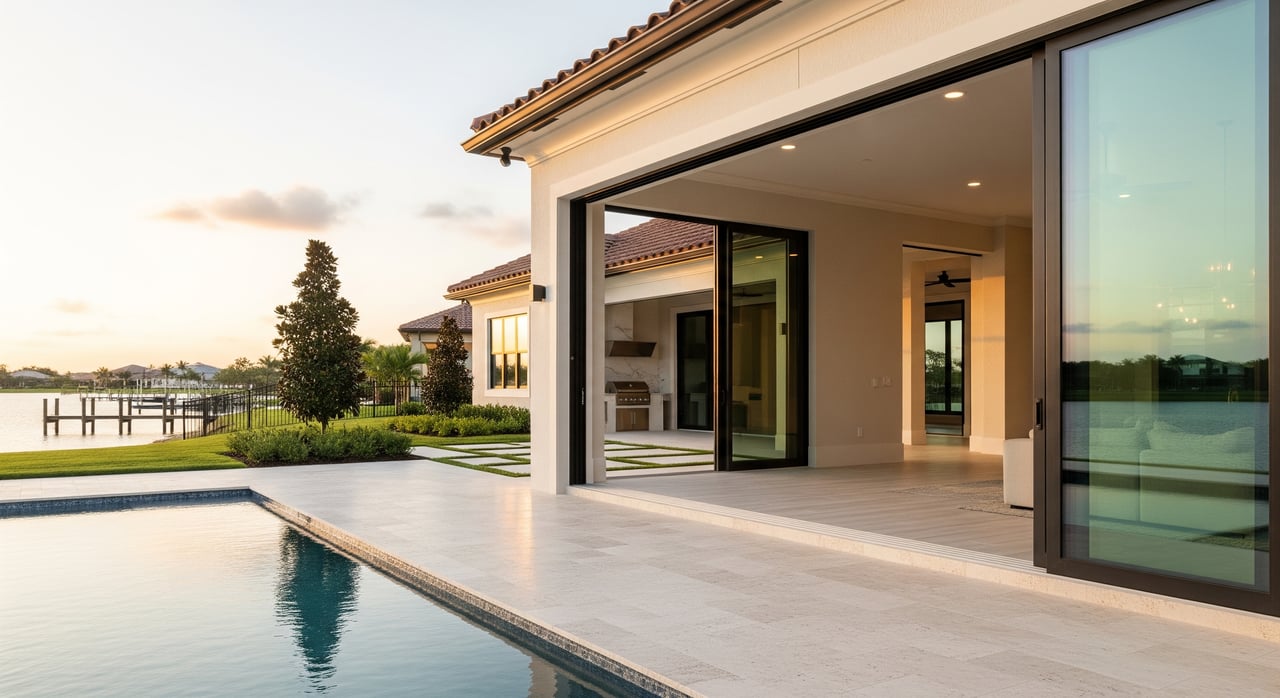
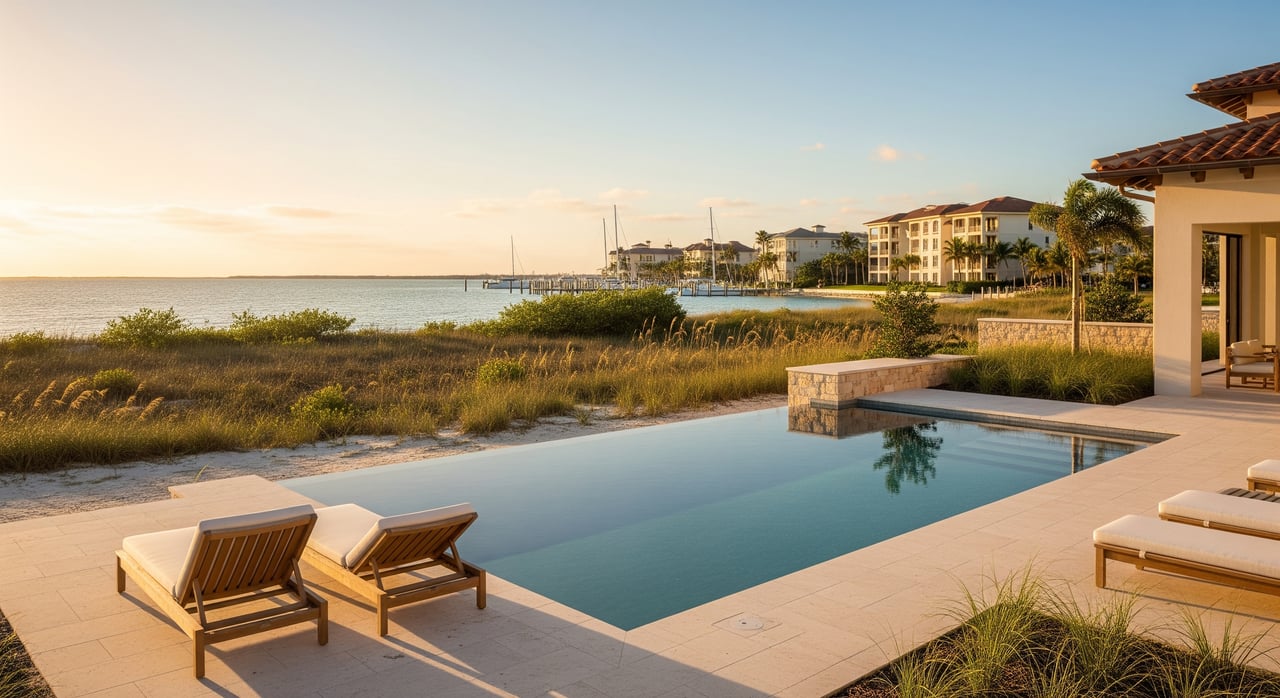
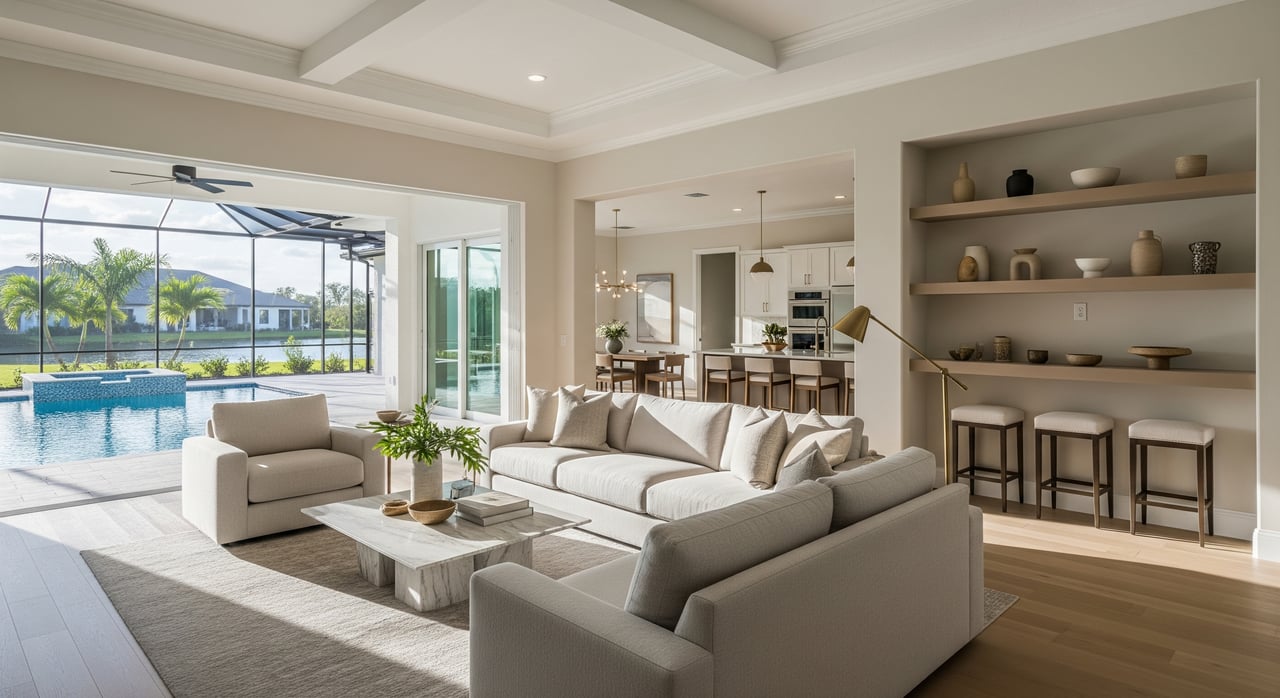
Most island condos offer a pool, ranging from small plunge pools to larger heated options with deck seating and grills. Ask about heating systems, resurfacing history, permits for heaters, and any accessibility features like lifts or handrails. Winter heating and off-season upkeep affect the budget, so confirm who pays and how often maintenance occurs.
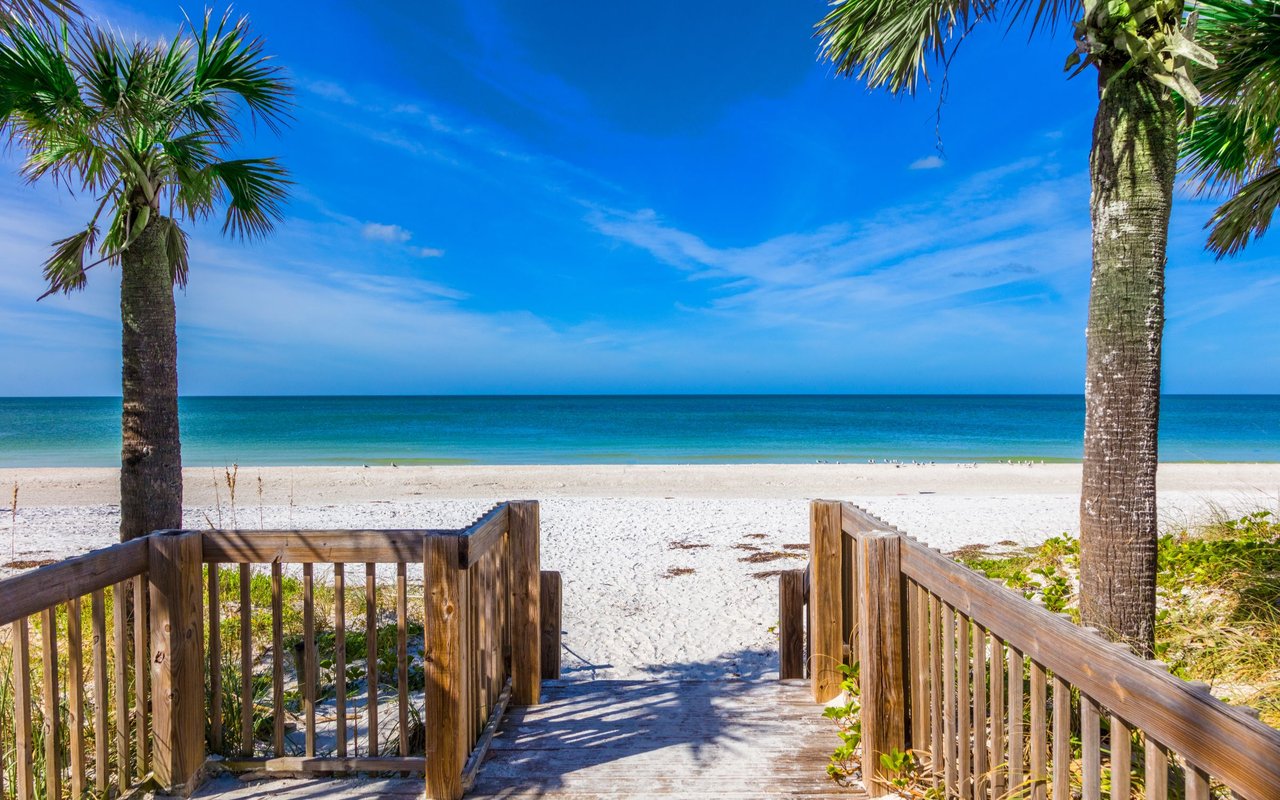
Access can be deeded private, association-maintained, or through public beach entrances. Some buildings have direct dune walkovers or stairs, while others rely on municipal access points. Ask if access is deeded or an easement, the association’s role in beach maintenance, and any history of assessments tied to seawalls or beach renourishment projects.
Expect assigned surface spaces or covered carports. Deeded garages exist but are less common, and guest parking varies by complex. Boat and RV storage is usually restricted by local code and association rules. Verify your exact assigned space, whether it is deeded or assigned, guest parking rules, towing policies, and EV charging options or retrofit guidelines.
You will often find in-unit closets alongside private storage lockers, bike racks, or small exterior lockers. Confirm whether storage is deeded or first come, first served. Ask about location, climate control, access hours, and any noise or safety considerations near mechanical rooms.
Many buildings provide compact fitness rooms, community rooms with kitchens, BBQ areas, libraries, or media spaces. Learn the hours, reservation rules, and maintenance schedules. Reliable HVAC service and regular cleaning matter for comfort and long-term upkeep.
Some associations employ on-site or on-call managers, maintenance staff, and vendors for pools, landscaping, pest control, and trash. Bulk cable or internet may be included in dues. Clarify which services are included, which are optional, and how emergencies are handled after hours.
Elevator service, roof condition, and hurricane protection are central on the coast. Confirm elevator inspection certificates and repair history, roof age and warranty, and whether units have impact glass or shutters. Ask who maintains shutters, the type installed, and any flood mitigation features such as elevated utilities or floodproofed common areas.
Some buildings offer in-unit laundry, while others rely on shared laundry rooms. Water, sewer, and master insurance may be bundled into dues, while electric and internet can be separate. If there is a bulk internet or cable contract, understand how it affects your monthly budget.
Older buildings may not meet modern accessibility standards across every common area. Check elevator coverage to all levels, ramp access, door widths, and overall mobility around amenities.
Pet rules vary widely. Many associations set weight limits, restrict certain breeds, or cap the number of pets. Review deposits, designated pet areas, and rules for guests or renters with pets.
Amenities shape your monthly HOA dues and long-term costs. Pools, elevators, on-site staff, and bundled utilities increase operating expenses and the reserves needed for future repairs. Always review the current budget, line items tied to amenities, and the amount held in reserves.
Reserve funds tell you whether the association can cover big-ticket items like pool resurfacing, roof replacement, elevator modernization, or seawall work. Older buildings may face higher near-term costs, so a healthy reserve reduces the chance of special assessments.
Insurance is another key factor. The association’s master policy covers common elements and the building envelope, while you generally carry an HO-6 policy for interior finishes and contents, plus flood insurance if required by your lender. On the island, wind, storm, and flood risk can influence premiums and deductibles. High deductibles for wind or flood claims can lead to owner assessments after a storm.
For resale and rental potential, amenity-rich buildings often attract seasonal and short-term rental demand, while higher dues can give some full-time residents pause. Direct beach access and elevator service often improve the buyer pool. Parking limitations or the lack of an elevator can reduce appeal for certain buyers.
Anna Maria Island includes the City of Anna Maria, Holmes Beach, and Bradenton Beach. Each municipality has its own code for short-term rentals, parking, and beach or dune maintenance. Your condo association may set stricter rules than the city, so you must confirm both.
If you plan to rent, request the association’s rental policy and any municipal permits or licenses required. Ask for recent rental history, minimum lease periods, and occupancy rules. Local tourism is strong, but actual income varies with season, building rules, and your marketing approach.
Anna Maria Island is low-lying and faces coastal flood risk. Check FEMA flood maps for the specific flood zone and ask for an elevation certificate if available. Lenders often require flood insurance in Special Flood Hazard Areas, and premiums vary by elevation and risk.
Beach renourishment, dune restoration, and seawall work can involve the association, municipalities, county, or state. These projects sometimes lead to association costs or special assessments. Ask about past or planned work and who pays.
Natural resource rules protect dunes and sea turtle nesting seasons, which can shape beach access timing and any changes to walkovers or lighting. Parking on the island is regulated in many areas, so guest parking on-site and overflow strategies matter for daily life and for rentals.
Use this checklist to compare buildings on your shortlist:
A smart plan is to request a curated shortlist of buildings that match your lifestyle and budget. Ask for an amenity inventory, HOA fee breakdown, rental rules, recent financials, and current photos of amenity condition. Review the budget, reserves, insurance, and beach access details side by side before you write an offer.
If you want a local, detail-first approach, connect with Janelle Miller for a tailored shortlist and guidance on flood, insurance, and amenity tradeoffs. Schedule Your Free Waterfront Consultation and buy with clarity.
Stay up to date on the latest real estate trends.
Experience white-glove service, unmatched local knowledge, and proven results for your next real estate transaction.
ADDRESS 1301 6TH AVE W STE 105 BRADENTON FL 34205