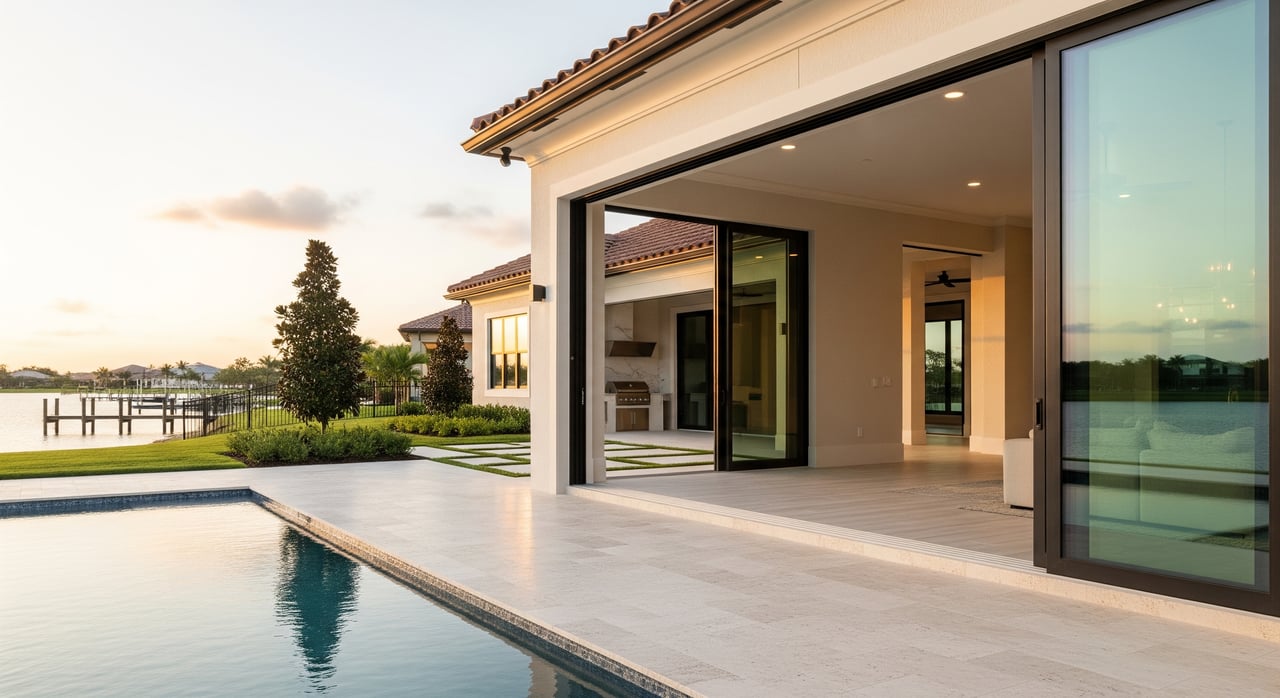
Do You Need an Agent for Lakewood Ranch New Builds?
January 15, 2026
January 15, 2026
Thinking about building in Lakewood Ranch and wondering if you really need an agent? You are not alone. New construction looks straightforward, but the fine print, timelines, and upgrades can add up quickly. In this guide, you will see how representation works with builders, when inspections matter, and how to keep your budget and schedule on track. Let’s dive in.
A builder’s sales representative works for the builder. Their job is to sell homes, explain the builder’s contract, and manage incentives to protect the builder’s interests. A buyer’s agent represents you. Their focus is your budget, your risk, and your schedule.
In Florida, real estate relationships and disclosures are governed by Florida Statutes Chapter 475. You should receive clear written disclosure of who represents whom before you discuss pricing, upgrades, or incentives. If you choose to go unrepresented, the builder rep can legally represent the builder and not you.
In most new-build transactions, the builder pays cooperating broker commissions as part of their pricing or marketing budget. This typically does not increase your purchase price. Some builders tie certain incentives to conditions, so always ask for the commission and incentive terms in writing. If an incentive changes when you bring an agent, you want that spelled out before you sign.
If you have questions about agent licensing or roles, you can review resources from the Florida DBPR.
A strong buyer’s agent experienced in new construction adds protection and clarity from contract to closing. Key ways your agent can help:
A new home still benefits from independent inspections. Municipal inspectors check code compliance, but they do not advocate for your interests. Independent inspectors can flag issues that become expensive to fix after drywall.
Typical inspection points include pre-pour or foundation, pre-drywall, pre-final punch list, and the final walk-through. Ask your builder when third-party inspections are allowed and make sure access is scheduled in advance. Choose licensed, credentialed inspectors and verify Florida licensure using the DBPR site. You can also look for professionals affiliated with the American Society of Home Inspectors or InterNACHI.
Most builders offer a limited warranty with separate periods for workmanship, systems, and major structural coverage. Terms vary by builder, so review the actual warranty document, claim procedures, start date, and reporting deadlines. If a significant issue arises, consider legal counsel. Keep thorough records of all punch-list items, change orders, and correspondence.
New construction timelines in Lakewood Ranch vary by lot readiness, permits, supply chains, and builder scheduling. As a general range, move-in-ready spec homes can finish in 30 to 90 days, while to-be-built homes often run 6 to 12 months, sometimes longer. Weather, material delays, and permit volume can push schedules to 12 to 18 months.
Lakewood Ranch spans Manatee and Sarasota counties. Each county’s permitting process is different, so confirm which county your lot is in and ask for typical permitting timelines. You can review county resources for context at Manatee County and Sarasota County.
Tips to stay on track:
Selections happen fast. Builders usually set specific windows for design center appointments and cutoff dates for structural options and finishes. Going beyond allowances or changing items after cutoffs can add cost and time.
Smart steps for controlling costs:
Builders often offer incentives tied to their preferred lender or title company. You can choose your own lender, but incentives may vary. Get all terms in writing and compare total costs, not just rates.
Key questions to ask:
Lakewood Ranch is a master-planned community with multiple villages, each with its own HOA structure, amenities, dues, and rules. Review the documents for your specific village so you understand assessments, architectural review processes, and any leasing guidelines. For community context, explore the official Lakewood Ranch site.
Because Lakewood Ranch includes inland and waterfront lots, check the property’s flood zone and base flood elevation early. Use the FEMA Flood Map Service Center and review insurance requirements if you are financing in a higher-risk zone. Local taxes, utilities, and school district assignment depend on the county. You can research parcel data and tax assessments through the Manatee County Property Appraiser or the Sarasota County property appraiser resources.
If you are ready to explore a new build in Lakewood Ranch, a clear plan will reduce surprises and protect your investment.
When you want an experienced, steady hand, connect with a local expert who understands Lakewood Ranch timelines, HOA nuances, and new-build fine print. If you value white-glove service and construction-savvy guidance, reach out to Janelle Miller to get started. Schedule Your Free Waterfront Consultation, and let’s review your lot options, timeline expectations, and inspection strategy together.
Stay up to date on the latest real estate trends.
Experience white-glove service, unmatched local knowledge, and proven results for your next real estate transaction.
ADDRESS 1301 6TH AVE W STE 105 BRADENTON FL 34205