Buying A Longboat Key Condo As A Seasonal Home
April 16, 2026
April 16, 2026
Dreaming about winters by the water instead of shoveling snow? Buying a condo on Longboat Key as a seasonal home can give you the lock-and-leave lifestyle many second-home buyers want, but the right purchase takes more than falling in love with a view. You need to understand how the island is set up, what condo documents matter, and which coastal ownership details can affect your budget and peace of mind. Let’s dive in.
Longboat Key offers a classic Gulf Coast barrier-island setting, with the Gulf of Mexico on one side and Sarasota Bay on the other. According to the Town of Longboat Key, the island spans both Manatee County and Sarasota County, so it is smart to verify the county for any specific condo address you are considering.
That county detail may sound minor, but it can matter during your search and due diligence. If you are looking on the north end of the island, the town notes that addresses at and above the 4000 block of Gulf of Mexico Drive are in Manatee County. For a seasonal buyer, knowing the exact jurisdiction helps you stay organized as you evaluate the property.
Longboat Key also appeals to second-home buyers because it supports a relaxed coastal lifestyle with beaches, parks, and a bike path. At the same time, the town has rules that shape daily use, including beach and park regulations on animals, alcohol, and public access hours. If you want a smooth seasonal routine, it helps to know those rules before you buy.
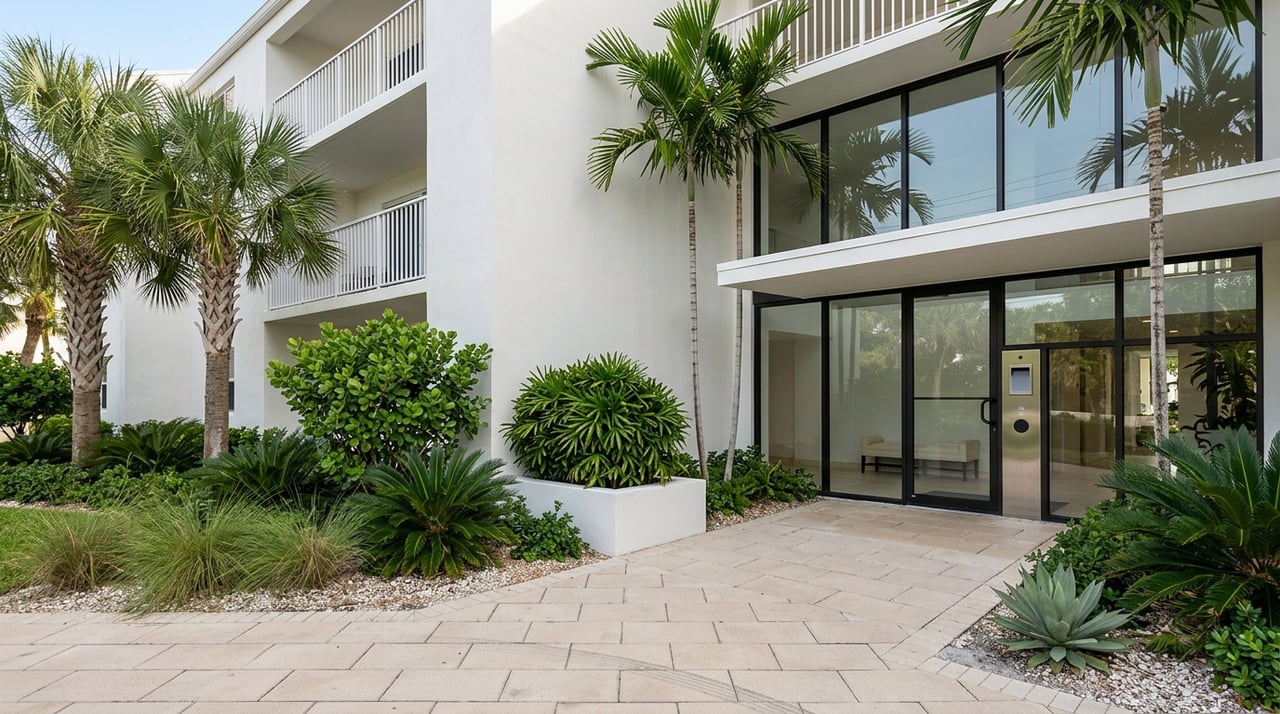
A seasonal condo should make life easier, not create a long list of moving parts every time you arrive or leave. That is why the most important features often go beyond the unit itself. You will want to compare how each community handles building access, guest entry, package delivery, parking, storage, elevators, and storm-shutter procedures.
If you plan to spend only part of the year on Longboat Key, association management becomes especially important. You want to know who is overseeing the property, how responsive the management team is, and how repairs are handled when owners are away. A well-run building can make a huge difference in how effortless ownership feels.
You should also ask how the association manages contractor access and repair coordination. The town’s Building Division notes that many projects require permits, and even some minor work may need a permit if it is part of a larger job. The town also warns that permits can lapse after six months without inspections or contractor contact, so good oversight matters.
Florida law gives condo buyers and owners access to important association records, and that is a major advantage when you are evaluating a seasonal home. Under Florida Statute 718.111, associations must maintain key records in an organized manner and make them available to unit owners on request within 10 working days.
Those records include documents such as the declaration, bylaws, rules, insurance policies, management agreements, accounting records, inspection reports, permits, and contracts. For you as a buyer, this information helps reveal how the community is run and whether the building has been proactive about maintenance and planning.
Florida also requires sellers to provide prospective buyers with core condo documents. Under Florida Statute 718.503, that disclosure package includes governance documents, the annual financial statement and budget, frequently asked questions, and when applicable, the most recent structural integrity reserve study or a statement that none has been completed.
This is one of the most important parts of the buying process for a second-home purchase. Before you commit, review the budget, reserve funding, rules, and any signs of upcoming major work. A beautiful condo can still be the wrong fit if the association’s finances or maintenance planning are not aligned with your goals.
If you are comparing condos on Longboat Key, especially older buildings, building condition should be part of your first conversation, not your last. Florida now places a strong focus on condo safety, inspections, and reserve funding for many residential buildings.
According to Florida Statute 718.112, a residential condominium association must complete a structural integrity reserve study at least every 10 years for each building that is three habitable stories or higher. That study covers major components such as the roof, structure, fire protection systems, plumbing, electrical systems, waterproofing and exterior painting, and windows and exterior doors.
A separate milestone inspection requirement also applies to buildings that are three habitable stories or more, based on the building’s age, and must be repeated every 10 years after the first inspection. For many Longboat Key buyers, this means older condo communities may already have inspection history, repair records, or updated reserve obligations that deserve close review.
This does not mean older buildings are off the table. It means you should ask better questions. Find out whether the association has completed its milestone inspection and structural integrity reserve study, whether repairs were identified, and whether any special assessments, reserve changes, or loans are pending.
It is also important to understand that low-rise communities can have a different profile than mid-rise or high-rise buildings. The structural reserve-study rules do not apply to buildings under three stories, according to Florida Statute 718.112. If you are deciding between a smaller complex and a taller building, this distinction can affect how you compare long-term costs and maintenance planning.
Buying a coastal condo means flood and wind exposure should be part of your due diligence from day one. The Town of Longboat Key states that it participates in the National Flood Insurance Program and the Community Rating System, and it provides a Flood Risk and Elevation Certificate Search to help verify flood zone information, Base Flood Elevation, and related warnings for a specific property.
The town also notes that construction in coastal high-hazard areas must meet a 150-mile-per-hour wind load and be designed to withstand storm-surge wave action. Even if you are buying an existing condo, these coastal conditions are part of the ownership picture and can affect insurance, maintenance, and future building work.
You should also remember that flood insurance is separate from standard homeowners coverage. FEMA explains that homeowners insurance usually does not cover flood damage, and flood insurance may cover the building, contents, or both. In many high-risk flood areas with government-backed mortgages, flood insurance may be required.
When you talk with your lender and insurance professionals, ask practical questions such as:
These details matter because seasonal ownership works best when there are few surprises. The goal is not just to buy a beautiful condo. The goal is to buy one that is easy to own confidently from near or far.
Some seasonal buyers want personal use only, while others hope to rent the condo during unused months. If that is part of your plan, Longboat Key’s local rules need to be part of your decision early in the process.
The town states that most residentially zoned properties cannot be rented for fewer than 30 consecutive days unless they are grandfathered or located in a tourism-zoned district. The town also says that any rental for less than six months must register through the Residential Rental Registry and may require a business tax receipt and a life-safety inspection.
That means you should never assume a condo will work for occasional short stays by tenants just because it is on an island or in a resort-style setting. You also need to compare the association’s own lease minimums and rules with the town’s requirements. For many buyers, rental flexibility can either add value or become a deal-breaker.
A second home on Longboat Key should feel like a retreat, but it also needs a realistic ownership plan for the months when you are away. Hurricane readiness is a major part of that. The town encourages residents and visitors to take an all-hazards approach to hurricane preparedness, including evacuation planning, emergency supplies, and pet planning.
This matters even more if your condo will sit vacant for part of the year. Before you buy, think through how you will handle storm preparation, post-storm checks, and access if building systems or unit repairs are needed. Strong association management can help, but it is still wise to have a clear plan.
You should also factor in everyday logistics, not just big-weather events. Ask yourself how mail and packages will be handled, who can access the unit if a repair is needed, and whether the community’s systems support part-time ownership. The best seasonal condo is one that fits your lifestyle in both sunny months and storm season.
If you are exploring Longboat Key condos and want guidance that balances island lifestyle with practical coastal details, working with a local expert can save you time and help you avoid costly surprises. Janelle Miller offers a high-touch, locally informed approach for buyers who want to make a confident move on the Gulf Coast.
Stay up to date on the latest real estate trends.
Experience white-glove service, unmatched local knowledge, and proven results for your next real estate transaction.
ADDRESS 1301 6TH AVE W STE 105 BRADENTON FL 34205